Independent camera troubleshooting guides.
Step-by-step resolution paths for firmware mismatch, signal attenuation, and local storage configurations. We provide direct technical solutions to get your security devices back online.
Ring Doorbell Camera Common Issues and Descriptions (Approximately 500 Words)
Ring Doorbell cameras are popular smart security devices that allow homeowners to monitor visitors, receive motion alerts, and communicate through two-way audio. While Ring devices are generally reliable, users may occasionally experience issues that affect performance and functionality.
One of the most common problems is device offline errors. A Ring Doorbell may go offline due to weak Wi-Fi signals, router issues, power interruptions, or network configuration changes. When the device is offline, users cannot access live video, receive notifications, or communicate through the app.
Another frequently reported issue is motion detection not working properly. Users may notice that the device fails to detect movement, sends delayed alerts, or generates excessive notifications. These problems can result from incorrect motion settings, environmental factors, outdated firmware, or Wi-Fi connectivity issues.
Video recording problems are also common. Some users report missing recordings, incomplete clips, or recordings that fail to upload to the cloud. This may occur because of unstable internet connections, subscription-related limitations, storage issues, or temporary service disruptions.
Many Ring owners experience live view failures, where the camera cannot establish a real-time video connection. This issue may present as a loading screen, black screen, frozen image, or connection timeout. Causes often include network congestion, poor signal strength, outdated app versions, or device software issues.
Two-way audio problems can affect communication between users and visitors. Audio may sound distorted, delayed, one-sided, or unavailable entirely. Weak internet connectivity, microphone settings, background noise, or hardware-related issues can contribute to these problems.
Battery-powered Ring devices may develop battery charging and power issues. Some users report rapid battery drain, charging failures, or unexpected shutdowns. Extreme weather conditions, excessive motion events, weak Wi-Fi connections, and aging batteries can reduce battery performance.
Another concern involves notification delays or missing alerts. Users may not receive motion notifications or doorbell press alerts promptly. Mobile device settings, notification permissions, internet connectivity, and application configuration issues can impact alert delivery.
App connectivity issues are also commonly reported. The Ring app may fail to load devices, display error messages, or experience login problems. These issues can result from software bugs, account synchronization problems, server interruptions, or outdated app versions.
Video quality concerns such as blurry images, pixelation, night vision problems, or poor image clarity may affect the user experience. Environmental conditions, dirty camera lenses, lighting challenges, internet bandwidth limitations, and camera positioning can influence video quality.
Some users encounter setup and installation difficulties, including QR code scanning failures, device registration errors, or Wi-Fi connection problems during initial configuration. These issues can often be related to network settings, compatibility concerns, or incorrect installation procedures.
Understanding these common Ring Doorbell camera issues can help users identify potential causes and determine appropriate troubleshooting steps. Regular software updates, stable internet connectivity, proper device placement, and routine maintenance can help improve overall performance and reliability.
Arlo Camera Common Issues and Descriptions (Approximately 500 Words)
Arlo security cameras are widely used for home and business surveillance, offering wireless monitoring, motion detection, cloud storage, and smart security features. Despite their advanced capabilities, users may occasionally experience technical issues that affect camera operation.
One of the most common concerns is camera offline status. An Arlo camera may appear offline within the app due to weak Wi-Fi signals, synchronization problems, power interruptions, base station issues, or network outages. When offline, the camera cannot stream video or send alerts.
Motion detection problems are frequently reported by Arlo users. Cameras may fail to detect movement, generate false alerts, or miss important activity. Motion sensitivity settings, environmental conditions, camera placement, firmware issues, and battery levels can all influence detection accuracy.
Another common issue involves recording failures or missing video clips. Users may notice that motion events are not recorded or that recorded videos are incomplete. Poor connectivity, cloud synchronization delays, subscription limitations, or storage-related issues can contribute to recording problems.
Live streaming difficulties can prevent users from viewing real-time footage. Cameras may display loading errors, connection timeouts, frozen video, or black screens. These issues are often linked to network performance, bandwidth limitations, outdated software, or temporary service disruptions.
Many Arlo users experience battery-related problems, especially with wireless models. Batteries may drain faster than expected, fail to charge correctly, or stop holding a charge over time. Frequent motion activity, cold weather, weak Wi-Fi signals, and aging batteries are common contributing factors.
Audio issues can also affect camera performance. Users may encounter low audio volume, microphone malfunctions, delayed sound, or two-way audio failures. Network conditions, application settings, environmental noise, and hardware limitations can impact audio quality.
Some customers report video quality issues, including blurry images, pixelation, poor night vision performance, or delayed video playback. Factors such as internet speed, camera positioning, lighting conditions, lens cleanliness, and network congestion may affect image quality.
Synchronization and pairing problems are another common concern. Cameras may fail to connect with the Arlo app, SmartHub, or base station during setup. Incorrect network settings, firmware mismatches, signal interference, or software glitches can complicate the pairing process.
Users may also experience notification issues, including delayed alerts, missing push notifications, or inconsistent event detection. Mobile device settings, application permissions, network performance, and account configuration problems can affect notification delivery.
Additionally, firmware and software update issues can occasionally occur. Failed updates may cause connectivity problems, unexpected camera behavior, or reduced functionality. Keeping devices updated and ensuring a stable internet connection during updates can help minimize these issues.
By understanding these common Arlo camera issues, users can better identify potential causes and evaluate possible solutions. Proper installation, regular maintenance, strong network connectivity, and updated software can help improve camera performance and enhance overall security system reliability.
Resolve Critical Hardware Errors
Signal Attenuation
Firmware Mismatches
Storage Bottlenecks
Identify range limitations and packet loss across wireless bridges. Learn to calculate decibel drop-off before climbing the ladder.
Resolve handshake failures between legacy ONVIF cameras and modern network video recorders. Correct protocol conflicts manually.
Configure local storage arrays and manage high-bitrate continuous recording without exhausting micro-SD card write cycles.
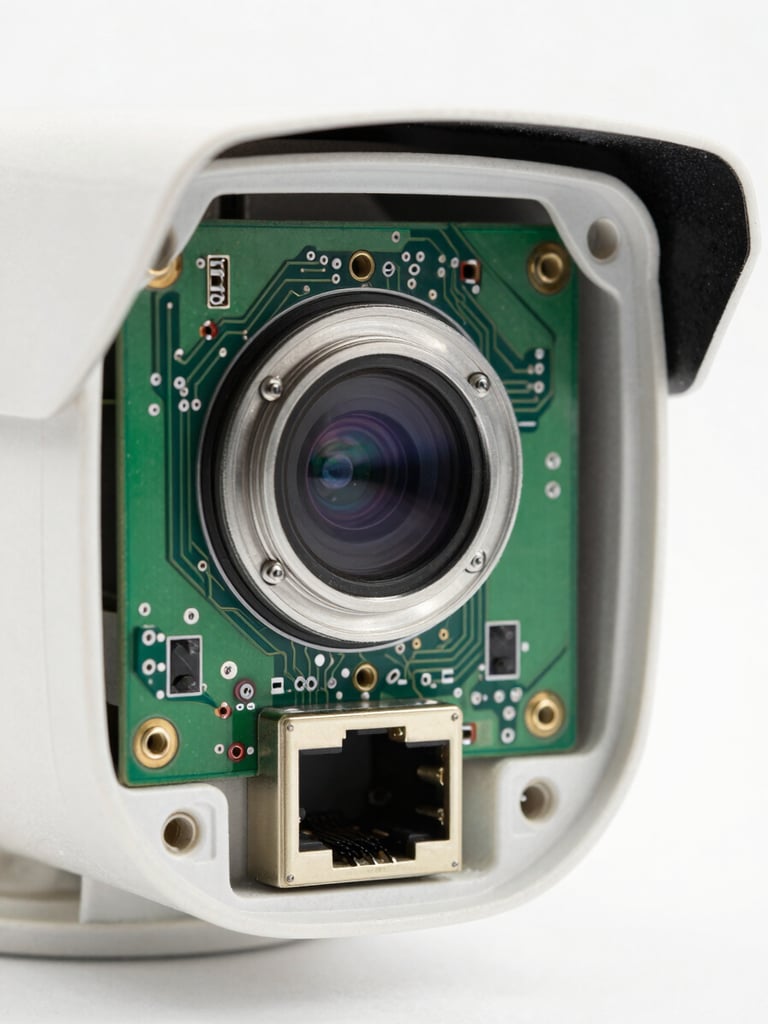
Unbiased Technical Analysis
We accept no manufacturer payouts, carry zero affiliate hardware links, and represent no commercial camera brands. Our editorial standards mandate objective, empirical testing of firmware, local storage protocols, and hardware vulnerabilities.
When a manufacturer pushes a broken cloud subscription or restricts local RTSP streams, we document the technical failure and provide immediate, step-by-step workarounds to restore access.
Get Your System Online
Access our complete database of step-by-step troubleshooting guides, network configuration blueprints, and local storage setup tutorials without paywalls or corporate bias.
Camera Guidance
Independent, brand-agnostic troubleshooting and setup guides.
Home-Guides
REACH OUT
editorial@cameraguidance.com
844-953-8109
© 2026 Camera Guidance-Not affiliated with any camera manufacturer.
INDEPENDENT RESOLUTION